



Dar es Salaam. Many women who are members of thriving Village Community Banks (Vicoba) and other small financial groups fear that they would not be able to repay loans if the outbreak of coronavirus that has hit hard microfinance institutions continues.
Leaders of Vicoba that mostly serve women and rural people say the situation has affected the capacity of many women to repay loans and caused a drastic fall in share purchase. They say there was no hope in sight to record profit this year.
A large number of women have joined Vicoba to boost their small businesses so to pay for basic needs like school fees for their children. They now fear that they would not achieve their goals due to the coronavirus pandemic.
Most of these institutions offer loans to individuals based on the number and the value of their shares. If they default on the loans, their assets would be sold to recoup the missed repayments.
“We are worried that if the situation continues until June, then many groups will collapse or collections will be too small because these women are engaged in small businesses which have been hard hit by this problem,” Africa Women Group secretary, Ms Getrude Msemo, says.
Citing an example, she says in her group each member was allowed to purchase up to five shares per week at Sh10,000 each. “They were buying all five shares but after this problem many cannot afford to purchase even one share in a week,” says Ms Msemo.
Ms Msemo told The Citizen yesterday that if the situation continued, they would opt to stop issuing the loans to members.
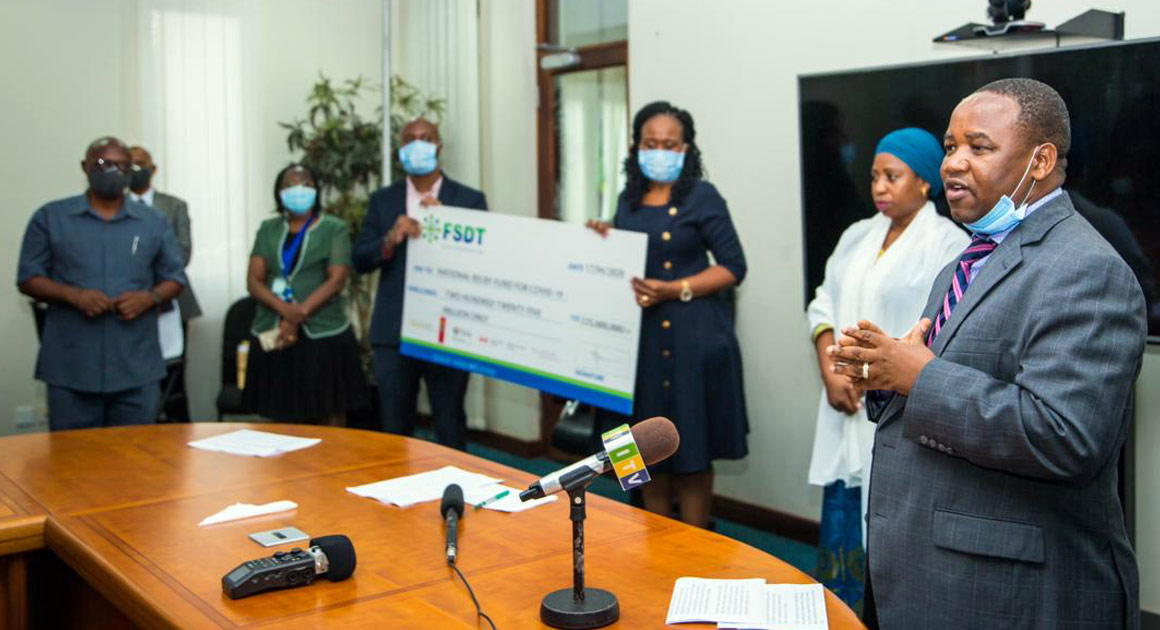
However, the ministry of Finance and Planning Communication manager, Mr Ben Mwaipaja, told The Citizen that the ministry and the Bank of Tanzania are conducting an assessment over the impact of Covid-19 on the economy.
“The assessment will cover many economic areas including the financial sector which includes not only Vicoba but also financial institutions, Saccos,” he said
He said the affected groups should wait for the government’s statement that will also recommend action to mitigate such problems.
The Chairman of Kibaha-based Tupendane Group, Mr Dominic Mahenje, said members have started extending time for loan repayments due to a number of reasons such as the collapse of businesses while others have lost their jobs.
“Our group is not similar to Vicoba but we used to contribute Sh30,000 every month, whereby members could take a loan of between Sh300,000 and Sh2 million. I have started receiving requests from members to review and extend repayment schedules,” he says.
He said since last week they have been experiencing delays in repayment of loans.
“We are consulting other leaders to see how we can reduce interest rates on those who delay repaying the loans because it is true people are currently facing genuine financial problems,” he said. The Treasurer for Jikomboe Women Group of Kinondoni, Ms Hamida Yusuph, says nowadays they are experiencing many of their members struggling to service their loans or purchase shares. She fears that if the situation continues until June, their profit will decline drastically. “This means a member who is supposed to get, let’s say, Sh3 million at the end of the year when we wind up business, may end up getting less money,” she said A member of the group, Sarah Poa, says she had planned to complete her house through Vicoba loan but there were all indications that would not be possible. “I am a food vendor and most of my customers were students, unfortunately the university has been closed. This mean I cannot take a loan because I will not be able to pay the debt,” she said. She added that Vicoba have empowered many women as they previously could not take care of their families without depending on men. The owner of a microfinance, who asked not to be named, said Vicoba have served many women as she asked for authorities to intervene and protect the institutions.
Source: https://www.thecitizen.co.tz/news/Covid-19–Vicoba-women-loan-pain/1840340-5534544-3drgvhz/index.html